Posted on Leave a comment

Why We’re Transitioning from Spun Cotton Shapes to Spun Paper Shapes

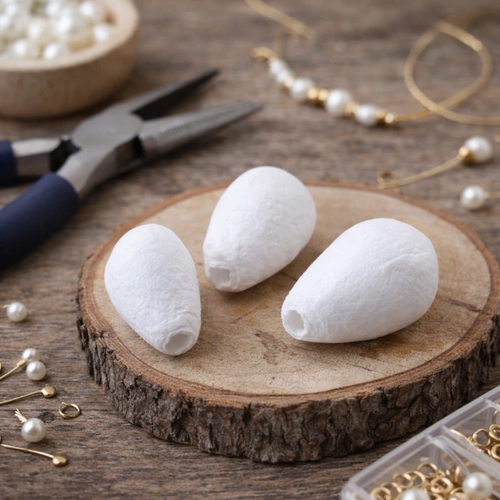
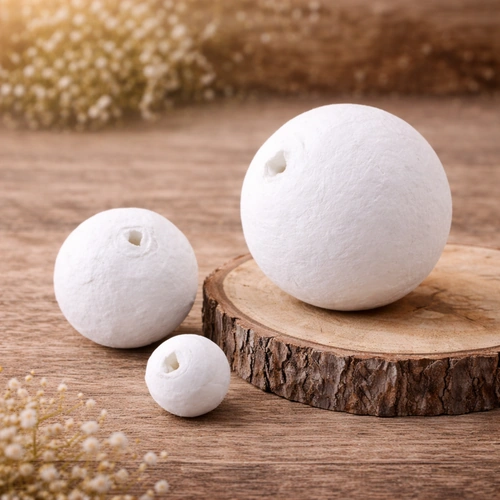
spun paper balls

For many years, the craft world has used the term spun cotton shapes to describe lightweight decorative craft blanks used for painting, decorating, and DIY projects.

At Spunnys, we’ve used that name too — simply because it was familiar and what most people searched for.

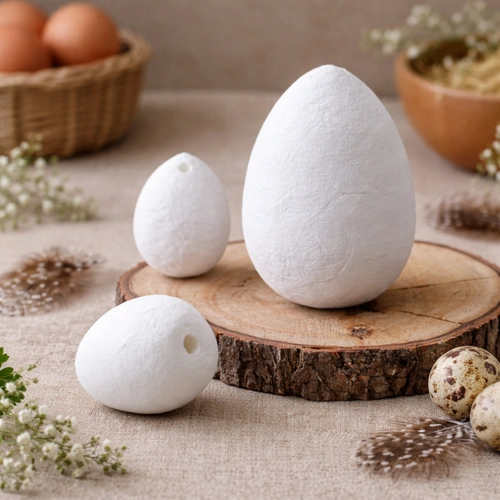
Over time, however, we felt it was important to be more accurate and transparent about the product itself. These shapes are not made from cotton. Instead, they’re made from soft paper that is spun into solid, symmetrical craft shapes.

That’s why we are transitioning to the term spun paper shapes — a name that better reflects both how the product is made and what it truly is.
👉 Want to learn more about what spun paper shapes are and how to use them? Check out our full guide here.


Spun Paper Shapes vs. Traditional Spun Cotton Shapes

What People Traditionally Called Spun Cotton Shapes

Historically, spun cotton shapes referred to handmade craft figures made by:

• Building a wire or metal frame
• Wrapping cotton fibers around the frame by hand
• Layering and shaping the cotton
• Painting and decorating the finished piece

These handmade spun cotton creations still exist and remain beautiful examples of traditional craftsmanship. But when machine-made paper shapes became common, the name carried over even though the material had changed.


What Spun Paper Shapes Are and How They Are Made

Spun paper shapes are created using a mechanical spinning process that forms soft paper into solid, lightweight craft blanks.

In this process, soft paper enters a shaped mold and is rapidly spun around a central axis, building up layers of paper fibers until a smooth, symmetrical shape is formed. Once complete, the shape dries and becomes ready for decorating.

Spun paper shapes are:

• Solid (not hollow)
• Lightweight
• Smooth and easy to decorate
• Made entirely from paper fibers

This manufacturing approach is what makes them ideal for DIY craft projects of all kinds.


A More Eco-Friendly Craft Material

We’re especially excited about spun paper shapes because of their sustainability. Our shapes are made from FSC-certified paper sourced from responsibly managed forests, supporting forest conservation, responsible harvesting, and long-term sustainability.

In an industry where many craft blanks are plastic or foam, spun paper shapes offer a more environmentally thoughtful alternative that aligns with a future of greener crafting. believe this makes them not only a wonderful creative material, but also a product aligned with the future.
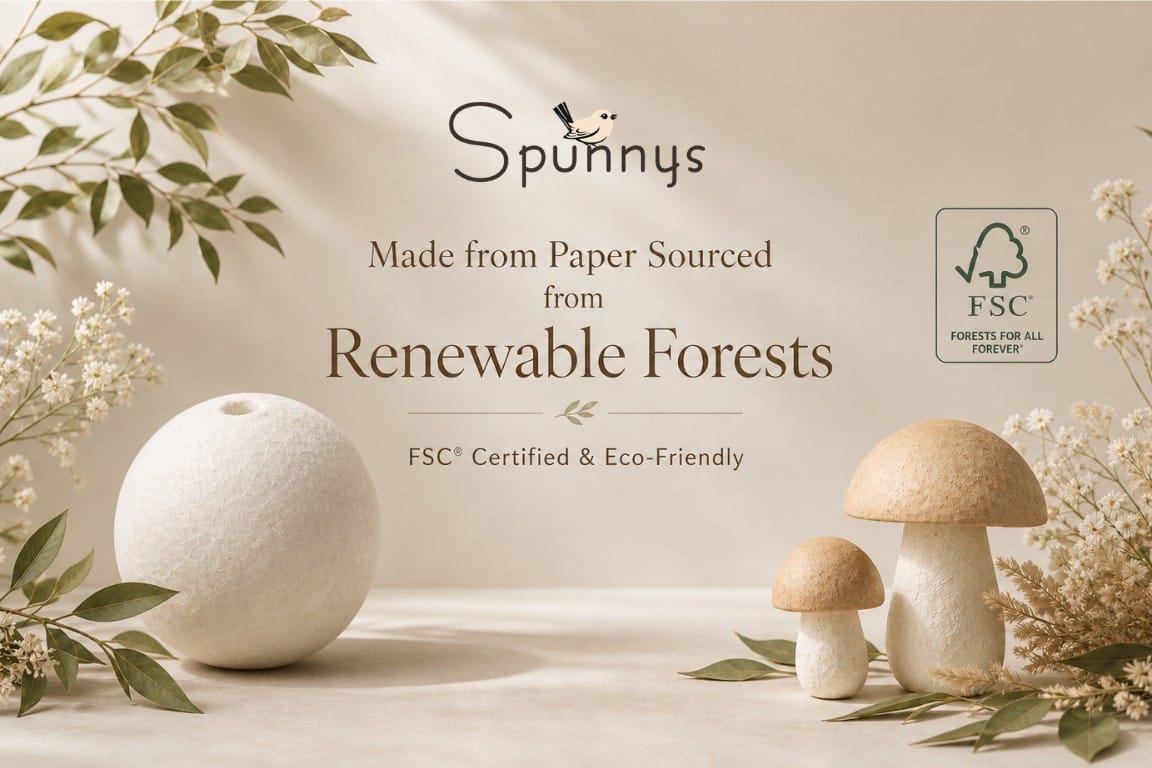
Spunnys FSC ecofriendly

Why This Product Inspires Us

Spun paper shapes are remarkably versatile. Beyond classic paint-and-decorate projects, they are perfect for:

• DIY seasonal projects
• Home décor accents
• Educational tools
• Creative installations

Their lightweight nature and smooth surface make them easy to work with — whether you’re painting, gluing, covering with fabric, or adding glitter.

spunnys paper shapes hero

Respecting Tradition While Moving Forward

We deeply respect the history of true spun cotton crafts and the artisans who continue that tradition. That’s precisely why it’s important to clearly distinguish:

Handmade cotton-based spun figures
Machine-made paper-based spun shapes

By using the term spun paper shapes, we hope to avoid confusion, be transparent with our customers, and accurately represent the material.

During this transition, you may still see references to “spun cotton shapes” on our site to help people using the traditional name find us. Over time, however, our focus will continue to shift toward the more accurate and sustainable term: spun paper shapes.


Final Thoughts

Changing a long-used term isn’t something we take lightly. But accuracy, honesty, sustainability, and passion for our products matter deeply to us.

By choosing spun paper shapes, we’re embracing clarity and celebrating a craft material that feels both innovative and full of possibilities.

We’re excited for what’s ahead — and we can’t wait to see how you use spun paper shapes in your projects!


Posted on 2 Comments

Wooden Peg Dolls vs Spun Paper Peg Dolls: Craft Comparison

How to paint peg dolls tips

Peg dolls are a timeless craft shape used in DIY decorating, miniature figures, and imaginative projects.

This guide compares wooden peg dolls with spun paper peg dolls to help you decide which one suits your project style and technique best.

wooden peg doll cute fox
Paper peg doll fox (left) vs Wooden peg doll fox (right)

What Are Wooden Peg Dolls and Spun Paper Peg Dolls?

Wooden peg dolls are simple lathe-turned wooden figures that can be painted, decorated, or used in play. They have a solid surface and classic look that many crafters appreciate.

Spun paper peg dolls are made from soft, tissue-like paper spun tightly into a shape. They accept paint and decorations differently from wood because of their paper surface.


Sturdiness and Durability

Wooden peg dolls are generally more rigid and durable because of their solid wooden construction. This can make them ideal for projects where strength and handling are priorities.

Spun paper peg dolls are surprisingly sturdy for paper figures, but wood tends to hold up better under frequent handling.


Painting and Decorating Ease

Painting

Many crafters find spun paper peg dolls easier to paint because the paper surface can take acrylics quickly and dries fast. The paper shape may also be easier to hold with a skewer or stick while painting, making it convenient for detailed color work.

Wooden peg dolls are also paint-friendly, but paint may take slightly longer to dry on wood, and some techniques like holding the doll during painting require a careful grip.

wooden peg doll paper peg doll

Adding Details

Both shapes can be decorated with accessories like felt clothing, pipe cleaners, and other embellishments. Spun paper peg dolls may allow small details (like miniature ears or accessories) to be lightly inserted into the surface, while wood may require adhesive alone.


peg doll fox woodland animals

Transferring or Applying Images

Spun paper surfaces can be well suited for techniques like tissue image transfers, which adhere smoothly to the paper and allow for detailed features like facial images.

How to transfer prints on spun cotton

On wooden peg dolls, transferring images often involves more challenging techniques (e.g., wax paper transfer) because wood doesn’t absorb or bond imagery the same way paper does.


Which Peg Doll Should You Use?

Choose wooden peg dolls if:

  • You prefer a traditional toy-like feel.
  • Durability and solid construction are key.
  • You want a classic surface for acrylic paint.

Choose spun paper peg dolls if:

  • You want a smooth surface ideal for quick brush painting.
  • You plan detailed decoration or image transfers.
  • You like lightweight shapes that are comfortable to hold during craft work.

Both types of peg dolls are valid and fun craft tools; your choice depends on your project needs and creative style.


Final Thoughts

Wooden peg dolls and spun paper peg dolls each bring creative versatility to crafts. By understanding the difference in surface, handling, and decoration techniques, you can match the right peg doll to your project — whether that’s a simple painted figure, a decorated ornament, or a miniature collectible.


FAQ

What is a spun paper peg doll?

A spun paper peg doll is a craft figure made from soft tissue-like paper spun into a mold.

Are spun paper peg dolls easy to paint?

Yes — spun paper peg dolls have a surface that accepts acrylic paint well and dries quickly, making them a popular choice for detailed craft decorating.

Which peg dolls are better for adding tiny accessories?

Spun paper peg dolls can sometimes allow accessories to be inserted into the surface more easily than wood, but both types can be decorated creatively.


SaveSave

Posted on 14 Comments

Spun Paper Balls vs Foam Craft Balls: A Craft Comparison

craft foam balls vs spun paper balls


What Are Spun Paper Balls and Foam Craft Balls?

Spun paper balls are lightweight craft shapes made from soft paper (similar to tissue paper) that is spun into a mold to form a smooth, paintable shape. They’ve long been commonly called spun cotton balls, but the material is paper.

Foam craft balls are solid spheres made from lightweight polystyrene foam with a porous surface.

Both are popular for DIY crafts, decorating, and school projects—your best choice depends on the finish and technique you want.


Texture and Appearance

Spun paper balls have a smoother paper-like surface that accepts paint and markers easily.

Foam craft balls have a porous texture with small air pockets that create a bumpy finish.

While foam balls are usually perfectly round, spun paper balls may have slight variations depending on size and production.


cut a foam ball in half

Painting Craft Balls

Spray Painting

how to paint foam balls polystyrene

Both spun paper balls and foam craft balls can be spray painted.

craft foam balls glitter spray paint

Foam balls often show even coverage quickly due to their porous surface.
Spun paper balls dry faster and absorb less paint because of their paper structure.

Brush Painting

Spun paper balls are easier to paint with brushes and acrylic paints. The smooth paper surface allows for clean strokes and faster drying.

craft foam balls paint acrylic

Foam balls may require more paint because the texture absorbs paint into small cavities.


Craft foam balls paint watercolor

Drawing and Writing on Craft Balls

Spun paper balls can be drawn on with pencils, markers, and pens just like paper.

foam ball spun cotton polar bear arctic animal

Foam craft balls are more difficult to draw on because of their uneven surface.

For detailed designs or lettering, spun paper balls are usually easier to work with.


Gluing and Craft Assembly

Both materials hold glue well.

Foam balls work best with low-temperature hot glue to avoid melting.

foam balls glue gun

Spun paper balls bond easily with craft glue, tacky glue, and hot glue.


Water Resistance and Durability

Foam craft balls are water resistant and can be used in outdoor decorations.

Spun paper balls should not be soaked in water, as they are made from paper fibers and may lose shape if wet.


Choosing the Right Craft Ball for Your Project

Choose foam craft balls if your project needs water resistance or a firm structure.

Choose spun paper balls if your project involves painting, drawing, or detailed decorating.

Both materials are useful depending on the creative goal.


Final Thoughts

Spun paper balls and foam craft balls each offer unique benefits for crafting.

Understanding the surface, painting behavior, and durability of each craft shape helps you choose the best material for your DIY projects.


Frequently Asked Questions About Craft Balls

Are spun paper balls the same as spun cotton balls?
Spun paper balls were traditionally called spun cotton balls, but they are made from paper fibers rather than cotton.

Can you paint spun paper balls?
Yes, spun paper balls work very well with acrylic paint, spray paint, and craft paint.

Are foam craft balls waterproof?
Foam craft balls are water resistant and suitable for outdoor use.

Which craft balls are better for drawing?
Spun paper balls are easier to draw on because their surface is smooth like paper.

Can you glue decorations to both types?
Yes, both spun paper balls and foam craft balls work with common craft glues.

SaveSave